
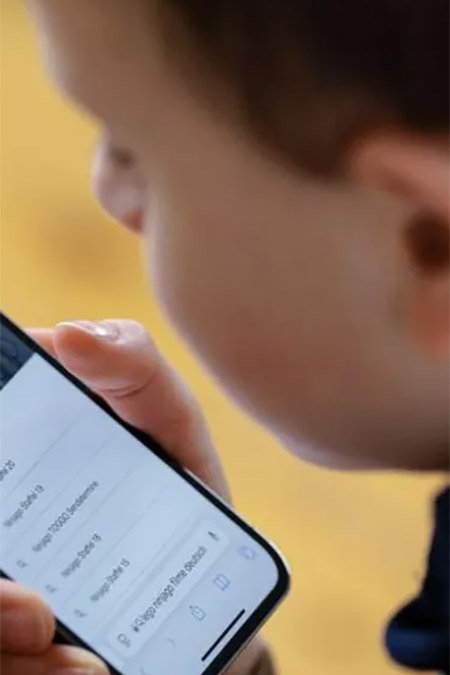
ustria has announced plans to ban social media for children aged under 14, becoming the latest country to consider introducing restrictions for children online.
It follows lengthy negotiations within the conservative-led three-party coalition government, but it is not yet clear how or when the ban will be implemented.
Announcing the plans, Vice-Chancellor Andreas Babler of the Social Democrats said the government could not stand by and watch as social media made children "addicted and also often ill".
He said it was the responsibility of politicians to protect children and argued that the issue should be treated no different to alcohol or tobacco: "There must be clear rules in the digital world too."
In future, said Babler, children under 14 would be protected from algorithms that were addictive.
Read the full article on BBC.
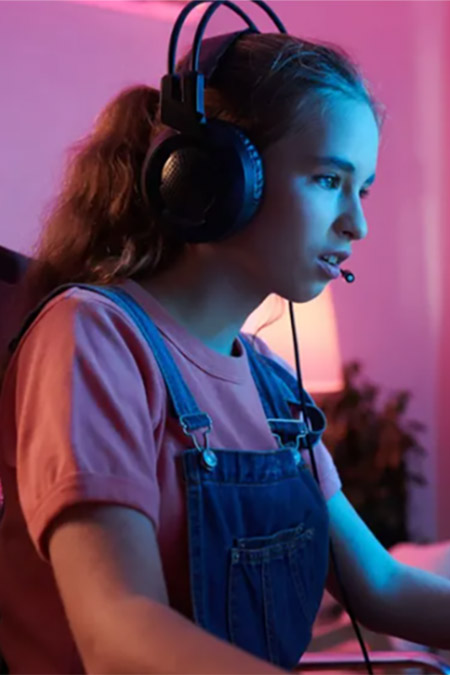
Gaming platforms and social media pose similar risks for children: excessive time spent online, and potential exposure to predators, harmful content or bullying. Dr Daniela Vecchio wonders why gaming platforms have not been included in Australia's "world-first" social media ban for under-16s.
Read More
Video games have become so good, and provide such a sensory smorgasbord of action and colour, that children are becoming dangerously addicted. They’re playing for days on end, to the exclusion of everything else in their lives, including school, friends and family.
Read More
Internet Use Disorders (IUDs) are emerging as a societal challenge. Evidence-based treatment options are scarce. Digital health interventions may be promising to deliver psychological treatment to individuals with IUDs directly in their online setting. The aim of this study was to evaluate the efficacy of a digital health intervention for IUDs compared to a waitlist control group (WCG).
Read MoreWe greatly appreciate your feedback on this website and would like to know what information you found useful and what services you would like to see next. Please take a couple of minutes to let us know.
survey


