
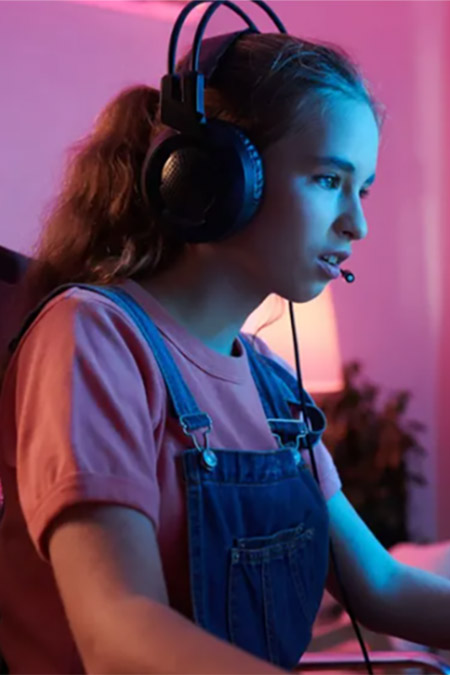
ednesday afternoons have become a ritual for 15-year-old Sadmir Perviz. It's a circuitous route from home in Perth to the Fiona Stanley Hospital - but it's worth it, he says, to sit down for a game of Dungeons & Dragons with people he may not know but with whom he shares a great deal in common.
Sadmir and his board game companions are just some of the 300 patients at the gaming disorder clinic, Australia's only publicly-run institution of its type, helping patients wean themselves off excessive online gaming habits.
The room where they meet is a simple space in a faceless hospital but in the corner, there's a pile of boardgames on a chair. Jenga, Uno and Sushi Go are also popular choices at the informal group which is attended by both patients and clinicians.
It's a bit of a departure for the 15-year-old who until a couple of months ago preferred to play games with friends online for 10 hours a day.
"It feels completely different," says Sadmir. "You get to roll the dice instead of clicking a button. You can interact with people, so you actually know who's there rather than just being on a call with random people."
Read the full article on BBC.
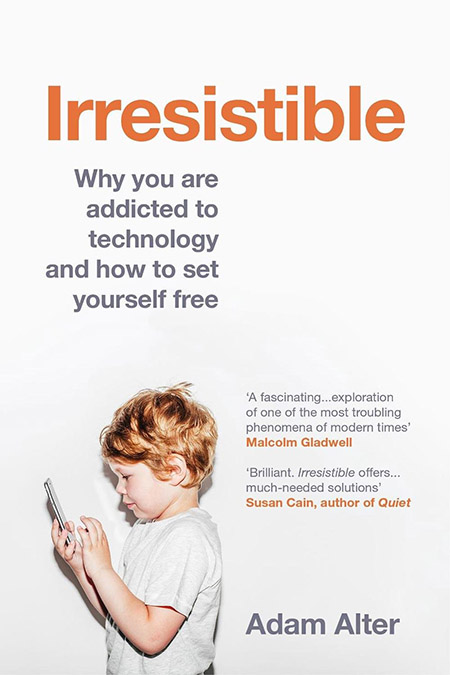
Psychologist Adam Alter provides insight into why we have addiction to technology, explains the science behind why we can't seem to stop such behaviour and offers practical advice for using technology differently, in order to lead a happier life, and to set yourself free.
Read More
As this 60 Minutes report discovers, you can have too much of a good thing. What's being called “Internet Addiction Disorder” is ruining lives and even changing the way our brains process information. Worse still, experts are seeing dangerous signs in toddlers.
Read More
New data from the WHO Regional Office for Europe reveals a sharp rise in problematic social media use among adolescents, with rates increasing from 7% in 2018 to 11% in 2022. This, coupled with findings that 12% of adolescents are at risk of problematic gaming, raises urgent concerns about the impact of digital technology on the mental health and well-being of young people.
Read MoreWe greatly appreciate your feedback on this website and would like to know what information you found useful and what services you would like to see next. Please take a couple of minutes to let us know.
survey


