

hile becoming inextricable to our daily lives, online social media are blamed for increasing mental health problems in younger people. This systematic review synthesised evidence on the influence of social media use on depression, anxiety and psychological distress in adolescents. A search of PsycINFO, Medline, Embase, CINAHL and SSCI databases reaped 13 eligible studies, of which 12 were cross-sectional. Findings were classified into four domains of social media: time spent, activity, investment and addiction. All domains correlated with depression, anxiety and psychological distress. However, there are considerable caveats due to methodological limitations of cross-sectional design, sampling and measures. Mechanisms of the putative effects of social media on mental health should be explored further through qualitative enquiry and longitudinal cohort studies.

In The Anxious Generation, social psychologist Jonathan Haidt presents more than a dozen mechanisms by which this “great rewiring of childhood” has interfered with children’s social and neurological development, covering everything from sleep deprivation to attention fragmentation, addiction, loneliness, social contagion, social comparison and perfectionism.
Read More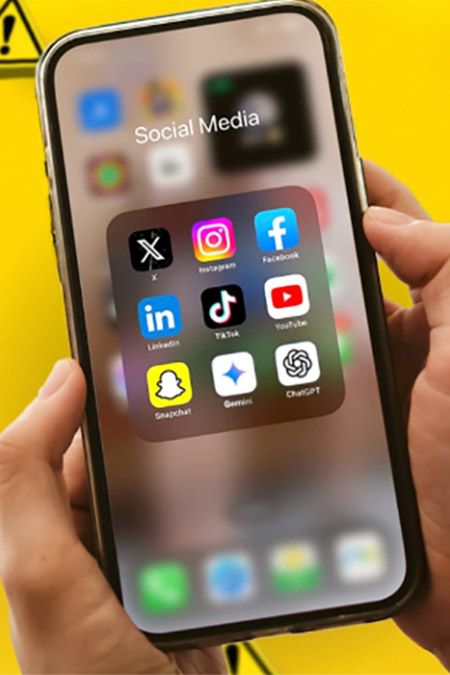
A Los Angeles jury has handed down an unprecedented win for a young woman who sued Meta and YouTube over her childhood addiction to social media. Jurors found that Meta, which owns Instagram, Facebook and WhatsApp, and Google, owner of YouTube, intentionally built addictive social media platforms that harmed the 20-year old's mental health.
Read More
The relationship between social media use and life satisfaction changes across adolescent development. Our analyses of two UK datasets comprising 84,011 participants (10–80 years old) find that the cross-sectional relationship between self-reported estimates of social media use and life satisfaction ratings is most negative in younger adolescents.
Read MoreWe greatly appreciate your feedback on this website and would like to know what information you found useful and what services you would like to see next. Please take a couple of minutes to let us know.
survey


